
LFC BIODIGESTER
The Liquid Food Composter or LFC biodigester is an advanced, environmentally friendly food waste management solution designed for professional kitchens in catering, hospitality, hotels and healthcare facilities. Using proven aerobic digestion technology, the system processes organic food waste on-site and converts it into environmentally safe grey water, significantly reducing landfill waste and greenhouse gas emissions.
Sustainable Food Waste Management for Professional Kitchens
- Greatly reduces costs to dispose of waste food
- Reduces size, quantity, and smells of trash bins
- Eliminates flies and rodents that may be attracted to garbage bins containing waste food
- Saves time of employees carrying trash outdoors
- Weigh and dispose of food waste in one machine
- Food waste does not go to landfill where it creates methane
- Easily report CO2 equivalent diverted from landfill via the LFC Cloud
- Key element in making a facility have zero waste
- Payback is typically 6 to 24 months
- Significantly reduces carbon footprint of business
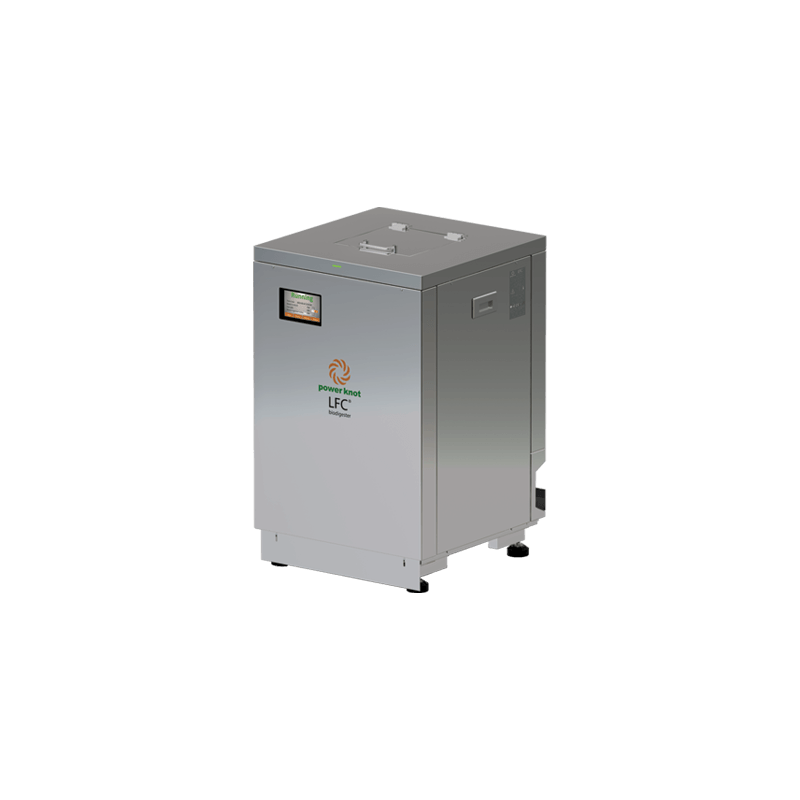
LFC-25
Digests 9–75 kg of food waste per day.
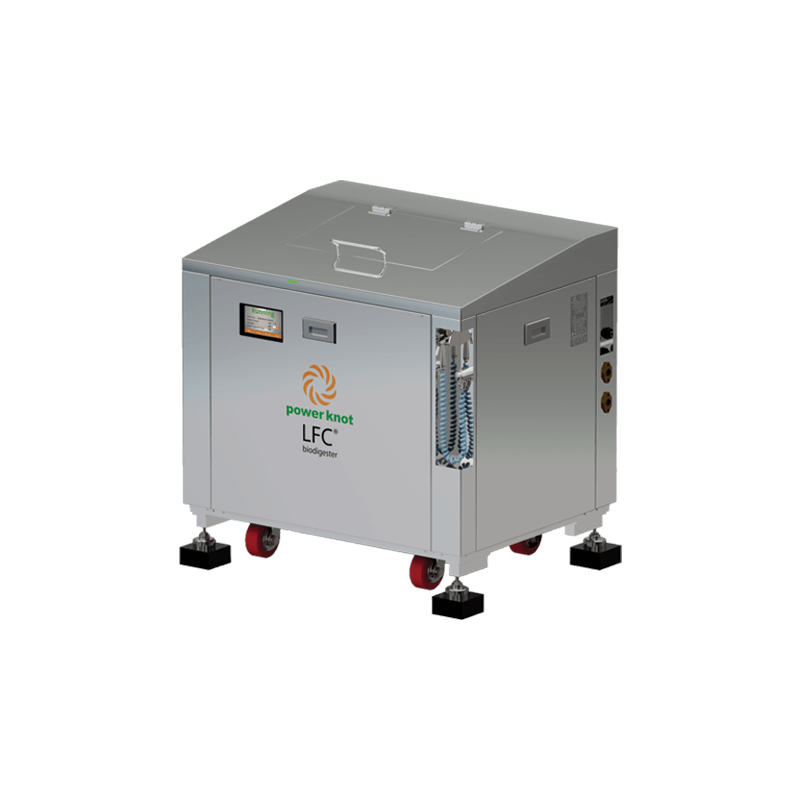
LFC 70 biodigester
Digests 25–210 kg of food waste per day.
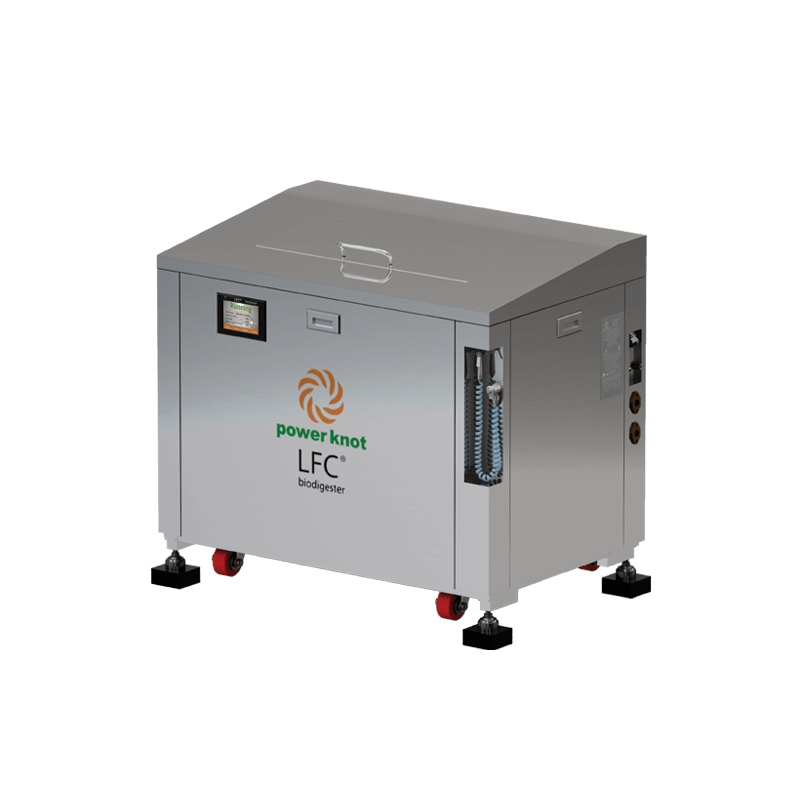
LFC 100 biodigester
Digests 35–300 kg of food waste per day.
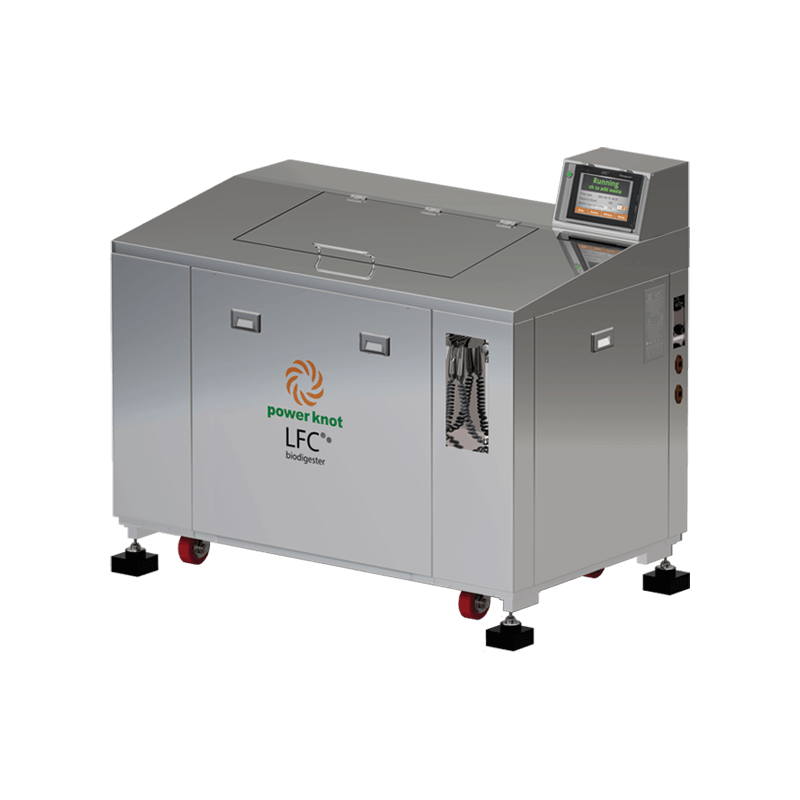
LFC 200 biodigester
Digests 70–600 kg of food waste per day.
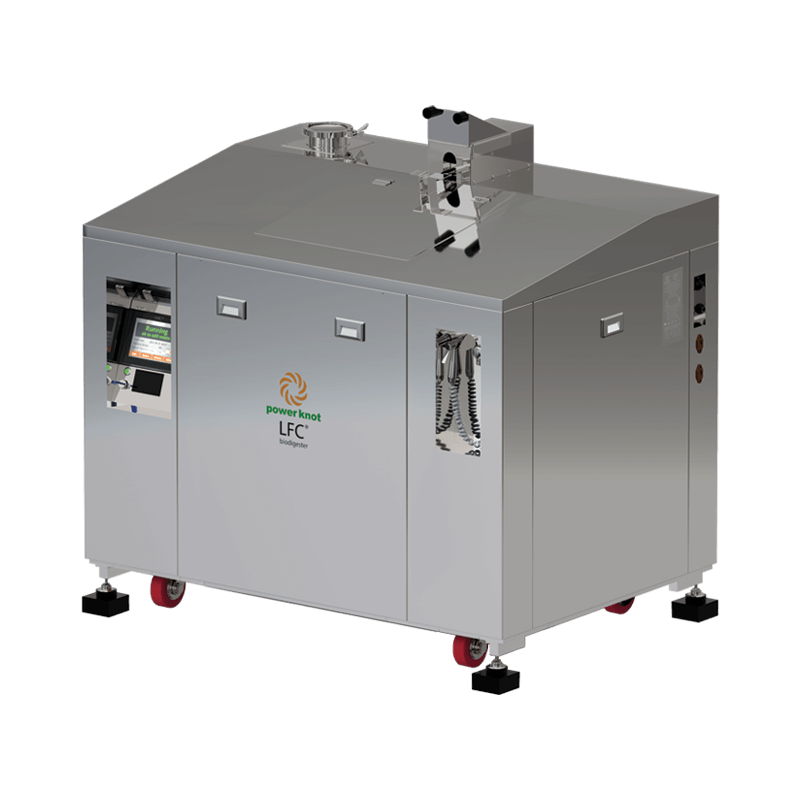
LFC 300 biodigester
Digests 100–900 kg of food waste per day.
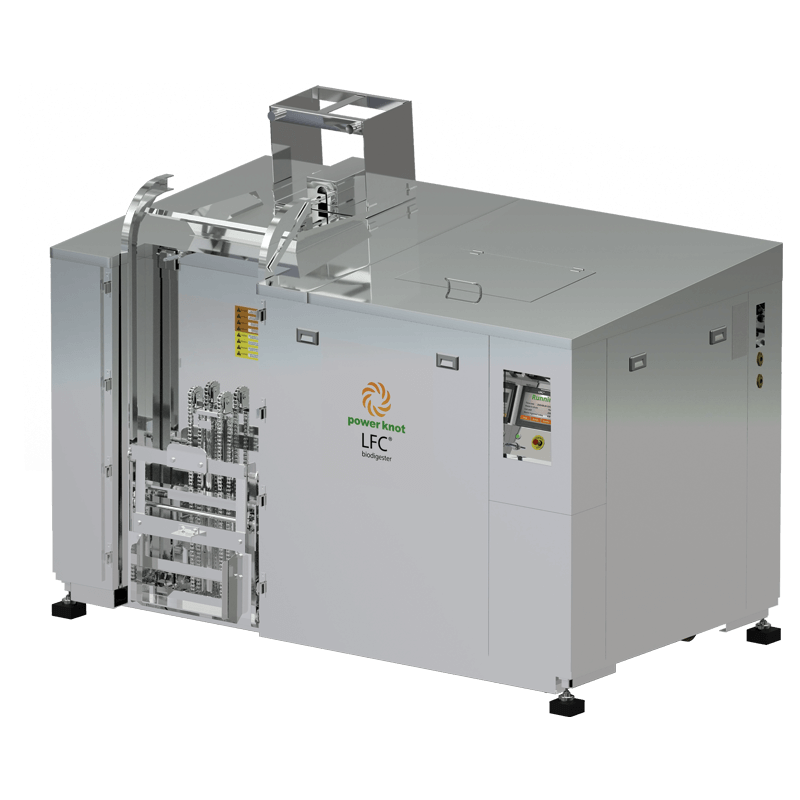
LFC 1000 biodigester
Digests 350–3000 kg of food waste per day.
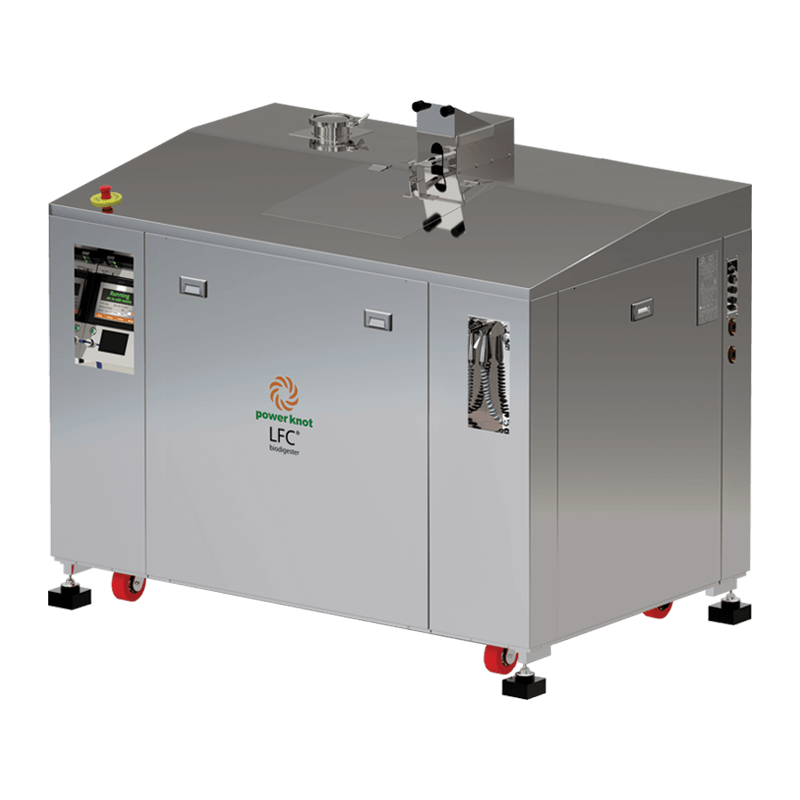
LFC 500 biodigester
Digests 175–1500 kg of food waste per day.
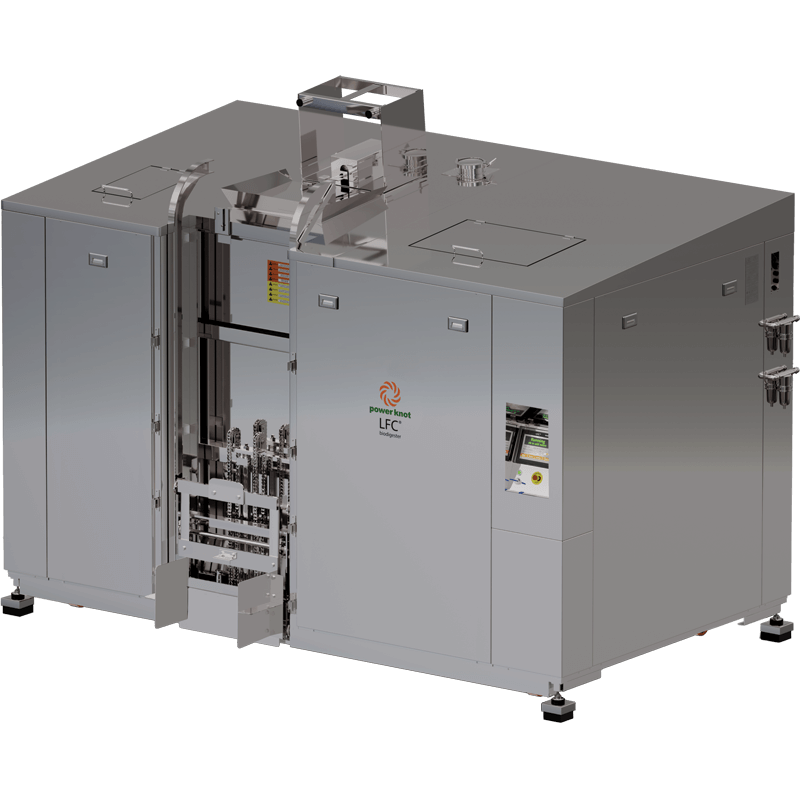
LFC 2000 biodigester
Digests 700–6000 kg of food waste per day.
Designed for Catering, Hotels & Hospitality
LFC biodigester enables on-site, eco-friendly food waste management without the mess of storing and transporting organic waste. Using aerobic digestion, it converts food waste into environmentally safe grey water, helping reduce landfill disposal, improve back-of-house hygiene, and support sustainability/ESG goals—especially important for properties targeting green certifications and lower carbon footprint operations.
-
Continuous food waste processing
-
Improved hygiene and workplace safety
-
Reduced waste handling and disposal costs
By eliminating food waste storage and transportation, the LFC biodigester helps commercial kitchens reduce their carbon footprint, improve kitchen hygiene, and comply with modern sustainability and ESG requirements. It supports zero-waste kitchen concepts, lowers operational costs, and enables long-term sustainable catering operations.
Choosing the right size food waste processing system (biodigester) depends primarily on the daily amount of food waste generated, the number of meals prepared, and the operating hours of your professional kitchen. Hotels, large restaurants, catering facilities, and hospitals typically require higher-capacity systems that can handle continuous loading during peak service periods.
Elmont offers nine different Power Knot biodigester machines with varying capacities:
| Model | LFC-25 | LFC-50 | LFC-70 | LFC-100 | LFC-200 | LFC-300 | LFC-500 | LFC-1000 | LFC-2000 |
|---|---|---|---|---|---|---|---|---|---|
| Daily capacity, kg | 9–75 kg | 17–150 kg | 25–210 kg | 35–300 kg | 70–600 kg | 100–900 kg | 175–1500 kg | 350–3000 kg | 700–6000 kg |
| Size (WxDxH) cm | 59 x 59 x 93 | 90 x 68 x 89 | 95 x 73 x 95 | 115 x 76 x 99 | 150 x 88 x 132 | 156 x 109 x 154 | 194 x 121 x 170 | 261 x 145 x 185 | 323 x 183 x 255 |
| Weight (empty) | 136 kg | 175 kg | 220 kg | 250 kg | 350 kg | 570 kg | 830 kg | 1250 kg | 2340 kg |
| AC supply | 120/230 V, 50/60 Hz, 15 A, 1-phase | 208–460 V, 50/60 Hz, 15 A, 3-phase | |||||||
| Maximum power | 180 W | 380 W | 380 W | 720 W | 1.0 kW | 2.0 kW | 2.8 kW | 4.9 kW | 4.9 kW |
| Energy per day | 0.8 kWh | 1.9 kWh | 1.9 kWh | 3.8 kWh | 6.6 kWh | 12 kWh | 17 kWh | 29 kWh | |
* Horizontal scroll may be required on smaller screens.

The LFC biodigester uses a series of processes in which microorganisms break down biodegradable material in the presence of oxygen.
A medium inside the LFC biodigester — Powerchips — houses the microorganisms. In combination with our proprietary mixture of microorganisms and enzymes — Powerzyme — the digestion of food products is accelerated. The output is grey water that is environmentally safe. You discharge this down the drain or use it to enrich your landscape.
The process operates aerobically — in the presence of oxygen — so there are no smells. A motor turns arms inside the LFC drum to mix the waste with oxygen and microorganisms. That turning is only a quarter of the time and is slow to ensure that the waste is not macerated and allows the microbes to digest the waste.
A food waste processing system (biodigester) helps significantly reduce pest problems in back alleys by eliminating the need to store food waste in bins or containers outdoors. When food waste is processed on-site and continuously broken down, there is no accumulation of organic waste that attracts rodents, insects, or birds. This reduces odors, spills, and overflow that commonly occur around waste areas, improving overall hygiene and compliance with health regulations. For restaurants and hospitality venues, this results in a cleaner back-of-house environment, fewer pest control interventions, and a more professional appearance of service areas.
A food waste processing system (biodigester) helps eliminate bad smells by processing food waste continuously on-site instead of storing it in bins or containers. By breaking down organic waste in a controlled, enclosed system, it prevents food from decomposing in open air, which is the primary cause of unpleasant odours in kitchens and back-of-house areas. This leads to a cleaner working environment, improved hygiene standards, and fewer complaints from staff, guests, and neighbouring businesses. For professional kitchens, it also supports better compliance with health and environmental regulations while maintaining a more pleasant and professional atmosphere.
Restaurants should manage waste food in a way that minimizes environmental impact, maintains hygiene, and complies with local waste regulations. Best practice includes separating organic food waste, reducing storage time in bins, and using on-site food waste processing systems that safely handle organic waste as it is produced. This approach helps reduce odours, pests and waste collection frequency while supporting sustainable and environmentally responsible restaurant operations. With LFC bio-digester you can turn your waste food to environment friendly gray water.
The LFC food waste processing system (biodigester) is designed to handle most common types of organic food waste generated in professional kitchens. This includes fruit and vegetable scraps, cooked and uncooked food, meat, fish, dairy products, bread, rice, pasta and plate waste. Processing food waste on-site helps reduce storage, odours and pest attraction while supporting environmentally friendly and sustainable kitchen operations.
It can decompose most food waste within about 24 hours, depending on the type and volume of waste being loaded.
Yes. LFC biodigesters are commonly used in high-volume facilities such as hotels/resorts and healthcare food service where hygiene, compliance and sustainability matter.
The system is designed for continuous operation where decomposed material exits as grey water, reducing the need for handling full food-waste bins. The output is grey water that is intended to be safely discharged to the sewage/drain system.


Supporting Green & Zero-Waste Kitchens
By processing food waste continuously with microbial digestion and oxygen enrichment, the LFC biodigester helps hospitality businesses achieve sustainability goals, lower carbon footprint, and comply with green waste management regulations — all while improving overall kitchen cleanliness and hygiene.
The effect of this on global warming is huge, because the largest part of garbage from catering and hospitality industry is waste food. Further, the decomposition smells and can cause health problems. Discarding 100 kg of waste food per day causes the equivalent of 153 tonnes of CO2 per year to be sent to the atmosphere.
Ideal for large-scale catering, hotel kitchens, and hospital food service operations, the LFC biodigester supports zero-waste initiatives, reduces waste handling costs, and enhances operational efficiency through uninterrupted food waste breakdown and real-time waste reporting.